Many couples want to have a baby. They try for months. Sometimes, even for years, nothing happens. The first thought that comes to most people’s minds? “Something must be wrong with the woman.”
That is a common but deeply unfair assumption. Male fertility plays an equal role, and one of the biggest reasons men struggle with fertility is low sperm count. In fact, male factors are behind nearly 40 to 50 per cent of all infertility cases around the world.
This guide covers everything you need to know, in simple words, with no confusion and no judgment.

What Is Low Sperm Count?
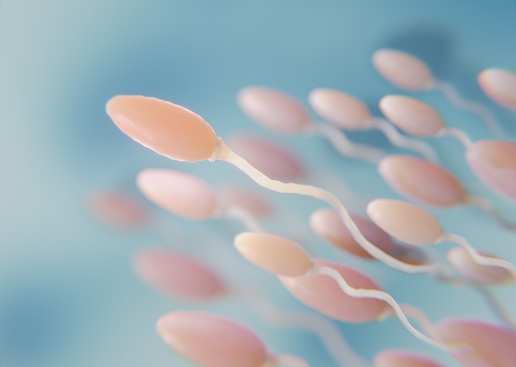
Low sperm count, called ‘oligospermia’ in medical terms, simply means that a man’s semen has fewer sperm than what is considered normal and healthy.
The World Health Organisation (WHO) says that anything below 16 million sperm per millilitre (mL) of semen is on the lower side. When the count is low, the chances of naturally getting a woman pregnant go down, but it does not mean pregnancy is impossible.
Can Low Sperm Count Affect Mental and Emotional Health?
Finding out you have a low sperm count can hit hard emotionally. Feelings of shame, guilt, or self-doubt are very common. Some men pull away from their partners. Others feel like their masculinity is being questioned.
These feelings are completely normal. But they cannot be ignored because stress and emotional pain can actually make sperm production worse and put strain on your relationship at the exact time you need each other most.
A few things that genuinely help:
- Talk openly with your partner — you are going through this together
- Speak to a counsellor who understands fertility-related stress
- Look for online support groups — more men are in this situation than you think
- Keep reminding yourself — this is a medical condition, not a measure of who you are as a man
According to Dr. Gupta, low sperm count is a common cause of male infertility, but with early diagnosis and the right treatment, many men can improve their fertility.

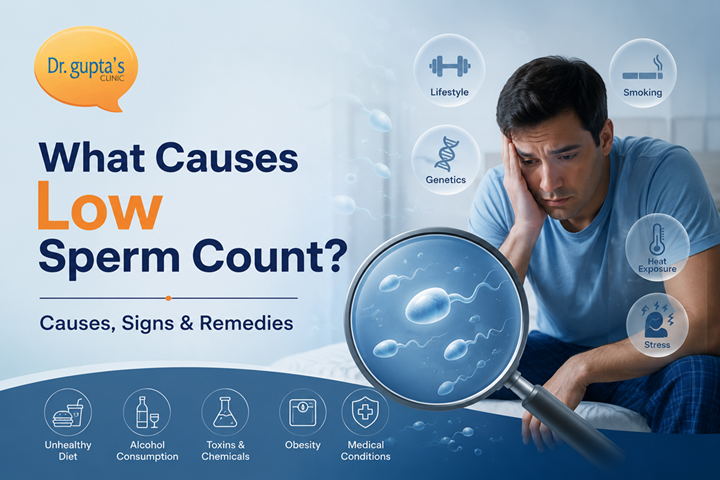
What Causes Low Sperm Count?
There is rarely just one reason behind low sperm count. Most of the time, it is a mix of things going on together.
1. Varicocele
This is one of the most common causes. Varicocele means the veins in the scrotum are swollen. This raises the temperature around the testicles, which can slow down or damage sperm production.
2. Infections
Some infections, including STIs like gonorrhoea and chlamydia, can block or damage the tubes sperm travel through, reducing the count over time.
3. Hormonal Imbalances
The body needs the right hormones to make sperm. When those hormones are out of balance, sperm production slows down or stops.
4. Undescended Testicles
Some men are born with one or both testicles that never moved down into the scrotum properly. This can affect sperm production for life and also raises the risk of testicular cancer.
5. Genetic Conditions
Some men carry genetic conditions like Klinefelter syndrome that affect how the body makes sperm.
6. Lifestyle Habits
This one is big and often ignored. Smoking, drinking too much alcohol, being overweight, taking recreational drugs, staying under constant stress, or sitting in hot environments for long periods all of these can all quietly bring sperm count down.
What Are the Symptoms of Low Sperm Count?
Here is the tricky part — most men with low sperm count feel completely fine. No pain, no obvious signs, nothing unusual. The condition usually only shows up when a couple has trouble getting pregnant.
But sometimes, certain signs do appear:
| Sign or Symptom | What It May Indicate |
| Difficulty Conceiving | The most common sign. If a couple has been trying to conceive for 12 months or more without success, a fertility evaluation is recommended. |
| Low Sex Drive (Reduced Libido) | May be linked to hormonal imbalances, particularly low testosterone levels. |
| Erectile Dysfunction | Difficulty achieving or maintaining an erection may sometimes be associated with hormonal or reproductive health issues. |
| Pain, Swelling, or a Lump in the Testicles | Could indicate varicocele, infection, injury, or another condition affecting sperm production. |
| Reduced Facial or Body Hair | May suggest a hormonal imbalance, including low testosterone levels. |
| Very Low Semen Volume | Can be associated with ejaculatory disorders, blockages, or hormonal problems. |
Ayurveda and Low Sperm Count — The Traditional Perspective
Ayurveda, India’s traditional system of medicine, looks at the body, mind, and lifestyle together, not just one symptom. Male reproductive health is linked to Shukra Dhatu, the tissue connected to fertility. Low sperm count is referred to as Shukra Kshaya — a weakness of this reproductive tissue.
Dosha imbalances (especially Vata and Pitta), poor digestion, toxin build-up (Ama), and stress are all seen as contributing factors. Ayurvedic management includes personalised diet, herbal formulations, lifestyle changes, yoga, and stress management.

What Are the Ayurvedic Remedies for Low Sperm Count?
Several Ayurvedic herbs have shown real potential for supporting male fertility. Here is a simple breakdown of each one:
1. Ashwagandha
This herb has been studied more than any other when it comes to male reproductive health. Regular use has been linked to a higher sperm count, better sperm motility, and lower cortisol, the hormone your body releases when you are stressed. When stress goes down, testosterone levels stabilize, which directly supports healthier sperm.
2. Kapikacchu
It contains a natural compound called L-DOPA that plays a role in hormone regulation. Research on infertile men has shown it can improve sperm quality and shield sperm cells from oxidative stress, the kind of internal damage caused by free radicals that weakens sperm over time.
3. Shilajit
Found naturally in Himalayan rocks, Shilajit is loaded with fulvic acid and more than 80 trace minerals. Ayurveda has long used it to restore strength and vitality. Studies suggest it can increase sperm count and motility while giving testosterone levels a natural lift.
4. Gokshura
A go-to herb in traditional Ayurvedic practice for men’s health. It supports reproductive strength, improves physical energy, and is thought to gently encourage testosterone production while boosting blood flow to the reproductive organs.
5. Safed Musli
This Herb is classified as a Vajikaran herb in Ayurveda, meaning it directly supports male reproductive health. It is commonly used in herbal tonics to improve sperm production, boost energy, and nourish reproductive tissues.
6. Shatavari
Although Shatavari is mostly associated with women’s wellness, Ayurveda has always recommended it for men as well. It acts as a restorative tonic, fights fatigue, and thanks to its antioxidant properties, it helps keep sperm cells protected from everyday cellular damage.
What Lifestyle Changes Can Really Improve Your Sperm Count?
These changes will not replace medical treatment, but they make a real difference alongside it.
1. Exercise, But Do Not Overdo It
30 to 45 minutes of walking, swimming, or light exercise, 5 days a week, helps improve testosterone and sperm quality. Too much intense exercise — like heavy weightlifting with supplements — can actually bring the count down.
2. Keep Stress in Check
Stress quietly kills sperm production by raising cortisol and throwing hormones off balance. Yoga, meditation, or even a daily walk helps more than most people realise.
3. Watch Your Weight
Being too heavy or too thin both disturb hormone levels. A balanced diet and regular movement are all it takes.
4. Keep the Testicles Cool
Sperm production needs a slightly lower temperature than the rest of the body. Avoid hot tubs, saunas, tight underwear, and keeping a laptop on your lap for long periods.
5. Sleep Well
Poor sleep lowers testosterone. Seven to eight hours every night is not optional; it matters.
6. Quit Smoking
Smoking damages sperm count, movement, and DNA. Quitting is one of the biggest steps a man can take for his fertility.
How Is Low Sperm Count Diagnosed?
Diagnosis is simple and nothing to worry about. Here is how it works:
Step 1 — Semen Analysis
This is the main test. A semen sample is checked in a lab for sperm count, movement, shape, and volume. It is done twice, at least 7 to 14 days apart, to get an accurate result. You will be asked to avoid ejaculation for 2 to 7 days before each test.
Step 2 — Hormone Blood Tests
If the sperm count is below 10 million per mL, a blood test checks FSH, LH, testosterone, prolactin, and thyroid hormones to find out where exactly the problem is coming from.
Step 3 — Scrotal Ultrasound
A quick scan to check for varicocele, cysts, or any structural issues in the testicles.
Step 4 — Genetic Testing
If the count is very low or zero, a chromosome test may be done to look for genetic causes.
Step 5 — Other Tests
Depending on the case, the doctor may also check for retrograde ejaculation, run a testicular biopsy, or test for anti-sperm antibodies.
According to Dr Gupta:
A semen analysis is simple, quick, and gives a clear picture of male fertility. The earlier you test, the earlier you can act.
What Does a Published Medical Report Reveal About Low Sperm Count and Successful Pregnancy?
A published case report available through PubMed Central (PMC) described the case of a 30-year-old man with severe low sperm count (oligozoospermia) and Grade III varicocele. He and his wife had been trying to conceive for three years without success.
What the doctors did: They first operated to fix the varicocele. After that, the man took phytoestrogen medicines for 6 months under medical supervision.
The results:
- Sperm count went from 2 million to 8 million per mL
- Sperm movement improved from 48% to 60%
- Sperm shape also got better
The couple then tried IUI. The wife got pregnant. A healthy baby was born.
Conclusion
Low sperm count is more common than people think. It is not something to feel embarrassed about. And in many cases, it can be treated.
Doctors today can find the exact cause and suggest the right path, whether that is a lifestyle change, medicines, surgery, or assisted reproduction like IUI or IVF. Ayurveda can also support the journey with natural herbs and a healthier way of living.
But none of that can start until you take the first step, getting a semen analysis. It is simple, quick, and tells you a great deal about what is going on.
If you have any concerns about your sperm health or male fertility, the team at Dr. Gupta’s Clinic is ready to help with full expertise and complete confidentiality.
Book your consultation at Dr. Gupta’s Clinic, the Best Sexologist in India.
Frequently Asked Questions
Q1. Can low sperm count be fully treated?
In many cases, yes. When the cause, such as a varicocele, a hormone problem, or a lifestyle habit, is found and fixed, the count can improve. For cases where it cannot be fully corrected, IUI or IVF/ICSI are still good options. Talk to a doctor for a proper assessment.
Q2. How long before sperm count gets better?
Sperm takes about 74 days to fully develop, roughly 2.5 months. So any treatment or lifestyle change you make will take at least 3 months to show a real difference in your semen analysis.
Q3. Is Ayurvedic treatment safe?
Herbs like Ashwagandha and Gokshura have been used safely for a very long time and have some research backing them. But they should always be taken under a qualified practitioner’s guidance — not every herb works for every person. And they should support your medical treatment, not replace it.
Q4. Does masturbation reduce sperm count?
It can temporarily lower the count in one sample, but it does not cause any long-term drop in fertility. Before a semen analysis, doctors usually ask you to avoid ejaculation for 2 to 7 days so the sample is accurate.
Q5. Can stress lower sperm count?
Yes, it can. Long-term stress affects the hormones your body needs to make sperm. Bringing stress down through sleep, exercise, or other means is genuinely part of improving male fertility.
Q6. What is the difference between low sperm count and zero sperm count?
Low sperm count (oligospermia) means the count is below 15 million per mL. Zero sperm count (azoospermia) means no sperm is found at all. Both need medical attention, but they are different conditions with different causes and treatments.
Q7. Can a man with low sperm count still get his partner pregnant?
Yes. Many men with low sperm count can still achieve pregnancy naturally, although it may take longer.
Q8. What sperm count is considered too low for natural pregnancy?
A sperm count below 15 million per mL is considered low. Pregnancy is still possible, but fertility may be reduced.